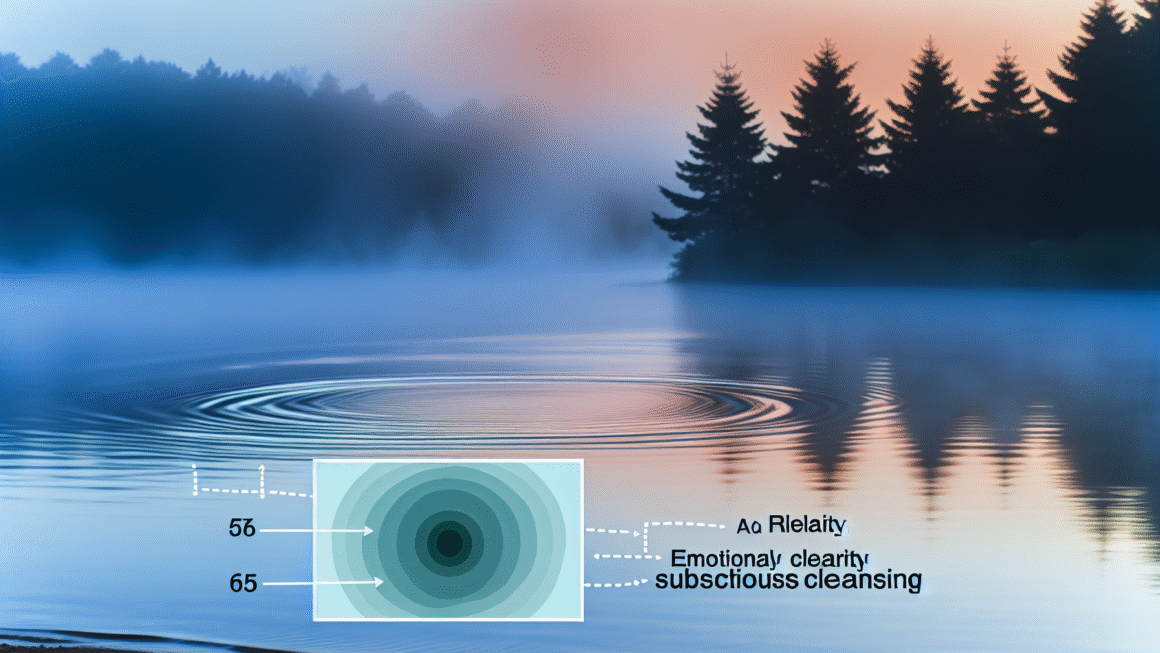
Dreams of water often evoke powerful emotions and signify deep subconscious processes. This article delves into the emotional meanings behind such dreams, exploring their symbolism and the potential for subconscious cleansing they present. By examining these themes, we can unlock insights into our emotional states and personal growth.
The Symbolism of Water in Dreams
Water in dreams serves as a lens through which our emotional landscape is revealed, presenting unique interpretations based on its form and behavior. Clear water often symbolizes clarity, serenity, and emotional balance. When one dreams of swimming in a calm, pristine lake, it may indicate a state of internal peace, suggesting that the dreamer is in harmony with their feelings. Conversely, murky or turbulent waters reflect confusion, chaos, or unresolved emotional issues. Such dreams may signal that the dreamer is grappling with feelings that are difficult to articulate or understand.
The movement of water is equally telling. A flowing river may represent the natural progression of life, suggesting adaptability and continuity, while stagnant water can denote feelings of being stuck or trapped in a particular emotional state. Stormy seas might portray emotional turmoil or challenges that the individual is currently facing, necessitating resilience and strength to navigate through those rough waters.
Personal experiences significantly shape the interpretation of these dreams. A dreamer who recently faced a major life change may interpret a dream of rushing water differently than someone with a history of trauma. Each dream serves as a personal narrative that reveals the dreamer’s ongoing emotional journey, urging them to confront and embrace their feelings for holistic healing and subconscious cleansing. Through understanding these diverse representations of water, dreamers can gain deeper insights into their own emotional states, facilitating personal transformation.
Emotional Context and Dream Interpretation
Dreams featuring water often act as mirrors reflecting our emotional landscapes, influenced by personal experiences and feelings. The context surrounding such dreams provides depth to their interpretation, revealing underlying currents of anxiety, joy, or confusion. The emotional meaning of these dreams can be nuanced, as the specifics of the water depicted play a pivotal role.
For instance, clean and serene water may symbolize tranquility and a sense of peace. Dreaming of clear lakes or gentle streams can indicate emotional clarity and a harmonious state of mind. In contrast, murky or turbulent water often suggests confusion or emotional turmoil. Such dreams may surface during periods of distress, symbolizing unresolved issues or repressed feelings in waking life.
Flowing water often represents the passage of time and the constant change within our emotions. Dreams of rushing rivers can reflect a sense of urgency or feeling overwhelmed, while stagnant water may evoke feelings of being stuck or stagnant in one’s life. Each type of water embodies specific emotional states and can serve as a guide to understanding one’s mental and emotional health.
Personal experiences significantly shape these interpretations. A traumatic encounter with water, such as a near-drowning, may influence dreams surrounding turbulent seas, turning them into nightmares. Alternatively, positive associations with water, like joyful family outings to the beach, may lead to dreams of calm oceans, serving as comforting reminders of cherished moments. Recognizing these connections is essential for gaining insights into one’s emotional state as reflected in water dreams.
Subconscious Cleansing through Dream Work
Subconscious cleansing through dream work can be a transformative journey, especially when one’s dreams revolve around the symbolism of water. Water, a universal symbol of emotions and the subconscious, can manifest in dreams as a powerful medium for emotional release and healing. When we dream of water, we are often presented with an opportunity to delve deeply into our feelings and confront unresolved issues.
One effective technique for tapping into these dreams is through dream journaling. This practice involves writing down your dreams immediately after waking, capturing vivid details, emotions, and symbols. By documenting dreams about water—whether it be a calm lake, a torrential storm, or a serene river—you can start to identify emotional patterns and recurring themes. Over time, reflecting on these entries can reveal insights about your emotional landscape and provide clarity on issues that may be clouding your mind.
Combining dream journaling with reflective practices can enhance subconscious cleansing. After documenting your dreams, spend time meditating on their significance. Ask yourself questions such as: What emotions did I experience in the dream? How do these feelings relate to my waking life? This mindful approach encourages personal growth and greater emotional awareness.
Through consistent engagement with these practices, individuals can unlock the deeper meanings of their water-themed dreams, fostering emotional processing and psychological healing that resonate in their everyday lives.
Integrating Dream Insights into Daily Life
Integrating the insights gained from dreams about water into daily life can create a profound shift in emotional awareness and personal growth. Dreams involving water often symbolize emotional currents, highlighting areas in our lives that require attention. To fully harness these revelations, consider practicing mindfulness and emotional awareness in your daily routines.
One effective way to integrate dream insights is to maintain a dream journal. Each morning, take a few moments to write down your dreams, focusing particularly on any perceptions of water. Reflect on how these dreams resonate with your current emotional state or ongoing life challenges. Over time, you may notice patterns in your dreams that point to deeper emotional truths needing acknowledgment.
Incorporating mindfulness practices can also enhance your emotional awareness. Set aside time each day for meditation, focusing on your breath and the sensations of water—its rhythm and fluidity. This practice can help you connect with the emotions represented in your dreams, allowing them to surface and be processed.
Additionally, consider using visualization techniques. Picture yourself in a serene water setting while meditating, imagining the water washing over your stress and anxieties. This visual connection can signify emotional cleansing and reinforce the insights gained from your dreams.
Engaging in artistic expressions, such as painting or journaling, related to your dream experiences can further solidify your understanding, fostering a deeper connection to your emotional landscape. Through these practices, individuals can cultivate personal growth and emotional well-being, effectively bridging the gap between their dream world and daily experiences.
Conclusions
In conclusion, dreaming of water serves as a profound reflection of our emotional landscape and a means for subconscious cleansing. By understanding the emotional meanings and symbolism behind these dreams, we can embrace their messages and facilitate personal growth, ultimately leading to a healthier, more balanced emotional state.